What "serviced" actually means in Vietnam
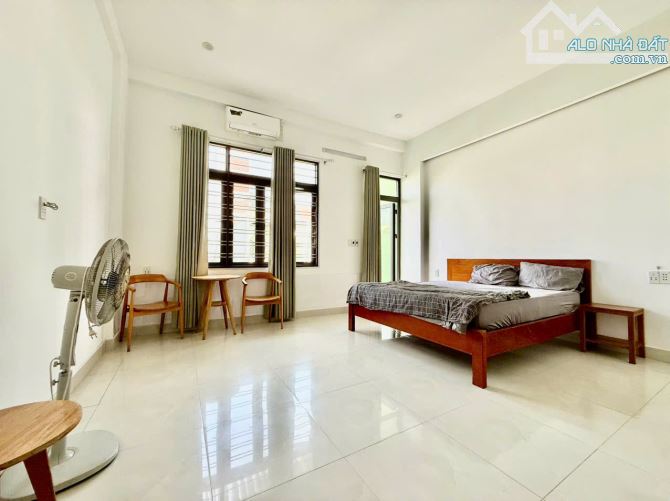
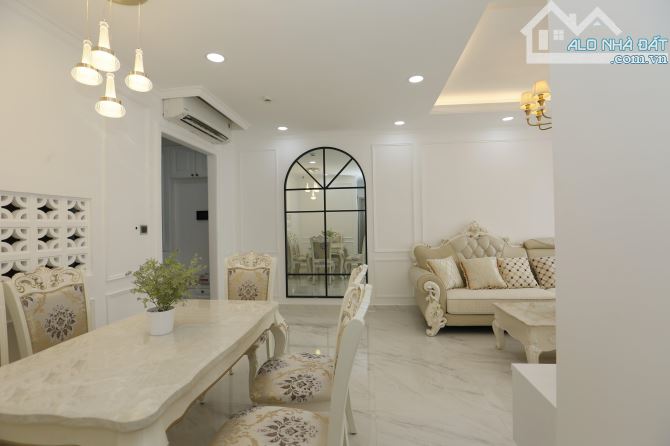
At its core, a serviced apartment here is a furnished unit where the landlord runs the household for you. The standard bundle: furniture down to plates and a kettle, cleaning once or twice a week with a linen change, wifi, water, the building management fee and usually motorbike parking — all inside one quoted price. There is a reception desk, or at least a host on Zalo, who fixes the aircon, takes deliveries and deals with small emergencies. Just as usefully, the building files your temporary residence registration (đăng ký tạm trú) as routinely as a hotel does — one less thing to chase a landlord about.
The big exception to "all inclusive" is electricity. Almost every serviced building meters it separately and bills monthly, usually at the landlord's flat per-kWh rate rather than the official tiered tariff, and with daily aircon use that becomes a real line item — ask the rate before you commit. Beyond that, the defining feature is administrative: one payment, one contact, nothing to set up, and no shopping trip for bedsheets on day one.
The regular apartment: cheaper, but the price tag lies by omission
A regular apartment — a condo in a tower like Vinhomes Central Park, or a local flat up an alley — usually comes furnished too, and over a long stay it is the cheaper way to live in every Vietnamese city. What the advertised rent hides is everything stacked on top: the management fee (phí quản lý) in condo buildings, electricity, water, wifi, motorbike parking, and cleaning if you want it. None of these need contracts in your name — the landlord or the building bills you — but each is a separate line you pay and track yourself. The gap between the sticker price and the real monthly total is where most first-timers miscalculate.
There is also setup friction the serviced format spares you: negotiating, a bilingual contract worth actually reading, meter photos on move-in day, and buying whatever "fully furnished" turned out to skip, from a decent pillow to a frying pan. None of it is hard, and hired cleaning through apps like bTaskee is cheap enough that a weekly clean barely dents the savings. But it all costs attention in your first weeks — exactly when you have the least to spare.
The premium — and what it actually buys
Like for like, a serviced unit costs noticeably more per month than a regular apartment of the same standard in the same area; the gap is the price of the bundle and the flexibility. What the premium buys back is concrete: a deposit of one month or less instead of the one to two months regular leases ask, zero setup purchases, no agent hunt, and the right to leave when plans change. For a first month in a new city that flexibility isn't a luxury — it's insurance against signing a year-long lease on a neighbourhood you picked from photos.
The honest arithmetic flips with time. Over one to three months, the premium is often smaller than the setup costs and the extra deposit money a regular lease locks up, so serviced wins or ties. Stretch to six or twelve months and the regular apartment pulls ahead month after month, because the premium keeps paying for things you could now arrange yourself for less. That is why the classic expat playbook is both: serviced first, regular once you know the city.
Contracts and deposits: where the paperwork diverges
Serviced apartments run on short, simple paper: month-to-month or a one-to-three-month agreement that extends as you go, a deposit commonly one month, and an exit on two to four weeks' notice. Regular apartments run on commitment: six or twelve months as standard, a deposit of one to two months, and an early exit that usually forfeits the deposit unless you negotiated a break clause. If your visa timeline or your plans are genuinely uncertain, that difference matters more than the monthly rate.
Two things stay the same in both formats. Temporary residence registration is legally the landlord's job — serviced buildings do it automatically, while a private landlord should confirm it before any money moves; treat reluctance as a red flag. And the electricity clause deserves the same direct question in both: the per-kWh rate in writing, plus a photo of the meter on move-in day.
"Serviced" is not a protected label
Nothing in Vietnamese practice defines what "serviced" must include, so the label stretches from genuine aparthotel grade — branded residences with daily housekeeping, gym, front desk and VAT invoices — down to a room in a family building where the service is a weekly mop and the owner's mother changing sheets. Both show up in the same search results at very different prices. The mid-market reality, a family-run block of studios with a part-time cleaner and a host on Zalo, is perfectly good housing — you just need to know which tier is being quoted.
Pin the label down before paying: how many cleanings per week, and is a linen change included; the electricity rate per kWh; is there a staffed reception or just a phone number; what happens, and how fast, when the aircon or the water heater dies. On upmarket places add one more — whether the quoted price already includes VAT and the service charge, because branded residences often quote before both. Then ask to see the exact unit you would get, not the renovated show flat from the photos.
Where each type clusters in our five cities
In Hồ Chí Minh City the serviced format is everywhere: Thảo Điền is dense with mid-range serviced blocks, District 1 and District 3 hide hundreds of family-run buildings in their alleys, and Bình Thạnh and Phú Nhuận hold the budget end — mini-studios above the owner's ground floor. Regular leases concentrate in the condo towers: Vinhomes Central Park, the Masteri buildings, and the vast investor-owned supply out in Thủ Đức. Hà Nội splits along the same line: serviced houses cluster on Tây Hồ's Xuân Diệu and Tô Ngọc Vân and in the Japanese-leaning pocket around Kim Mã and Linh Lang, while regular contracts dominate the big residential estates.
On the coast the labels blur. In Đà Nẵng's An Thượng and Mỹ An, most expat-facing studios are serviced by default, with cleaning and wifi baked in, while regular condo leases live in the beachfront towers toward Sơn Trà. Nha Trang rarely uses the word at all, but reception-style apartment buildings and host-run units around the Mường Thanh Viễn Triều cluster play the same role — often in the same towers where owners lease bare units on year contracts. Vũng Tàu (administratively part of Hồ Chí Minh City since the 2025 merger, though nobody on the ground calls it that) is dominated by The Sóng, where host-managed units with hotel-style service sit floors away from owner units on plain long leases.
How to compare honestly: build the all-in number
Never compare a serviced quote with a regular quote directly — one is nearly all-in, the other is bare. Build a total monthly cost for each: for the serviced unit, the quoted price plus realistic electricity at their stated rate; for the regular one, rent plus management fee, electricity, water, wifi, parking, and cleaning at whatever frequency you would actually book. Ask both sides the same per-kWh question and get the answer in writing. Then compare at your real horizon — the numbers that win for one month rarely win for twelve.
This is what the property-type filter on this site is for: flip between serviced apartments and regular apartments in the same city and district, and sanity-check both against the live median prices rather than anyone's brochure. If a serviced price sits barely above the regular median for the area, ask what got thinned out — usually the cleaning schedule or the electricity rate. And whichever type you choose, the golden rule doesn't move: no money before you have seen the exact unit, in person or on a live video call.
Frequently asked questions
- What does a serviced apartment include in Vietnam?
- The standard bundle is a fully furnished unit with cleaning once or twice a week including a linen change, plus wifi, water and the building management fee inside one quoted price; many add motorbike parking and a reception or host who handles repairs. The building also files your temporary residence registration routinely, like a hotel. Electricity is almost always separate, metered and billed monthly — ask the per-kWh rate before committing.
- How much more expensive is a serviced apartment than a regular apartment in Vietnam?
- Like for like, serviced units carry a clear premium over regular apartments in the same area — that premium is the price of bundled bills, cleaning and monthly flexibility. Counted properly, the gap narrows: a regular apartment's advertised rent excludes the management fee, utilities, wifi and cleaning. Compare the total all-in monthly cost of both against the live medians for your city on this site, not the two raw asking prices.
- What deposit do I pay for a serviced apartment in Vietnam?
- Commonly one month — sometimes less for short stays — versus the one to two months regular leases usually ask. That difference matters if you arrive with limited accessible cash, because deposits here are normally paid up front together with the first month's rent. Whatever the number, get the deposit terms and the return window in writing, and photograph the unit on move-in day.
- Can I rent an apartment month to month in Vietnam?
- Yes — that is the serviced apartment's core offer: month-to-month or one-to-three-month agreements that extend as you go, with exit on a few weeks' notice. Regular apartments rarely go below six months, and breaking a lease early usually forfeits the deposit. If your plans or visa timeline are uncertain, the monthly format is the honest match, even at a premium.
- Is a serviced apartment worth it for a long stay of 6-12 months?
- Usually not on cost: over six to twelve months the premium keeps compounding, while everything it covers — cleaning, wifi, setup — can be arranged separately for less. Long-stayers overwhelmingly do better on a regular lease, hiring cleaning through apps and negotiating utilities into the contract. The exception is people who genuinely value zero admin, or who need to keep a monthly exit open.
- Is electricity included in a serviced apartment in Vietnam?
- Almost never. Serviced buildings meter each unit and bill monthly, typically at the landlord's flat per-kWh rate, which often sits above the official tiered tariff — with daily aircon this becomes your biggest variable cost. Ask the rate before signing, get it into the agreement, and photograph the meter when you move in. The same advice applies to regular apartments.
Updated: 2026-07-10