Thảo Điền & An Phú (Thủ Đức / old District 2): the Western-expat heartland
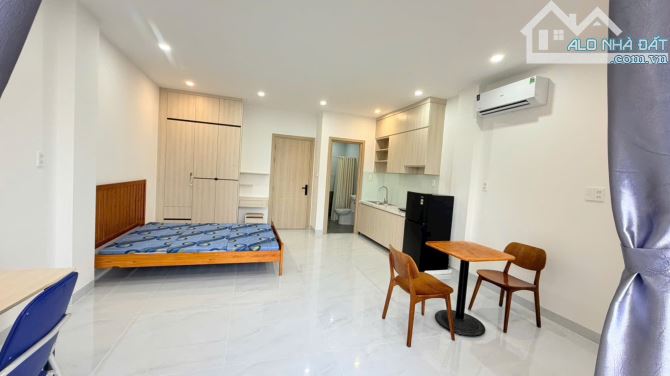
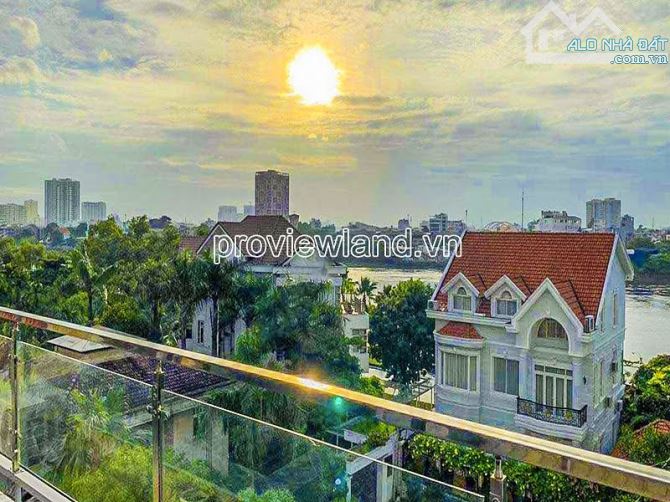
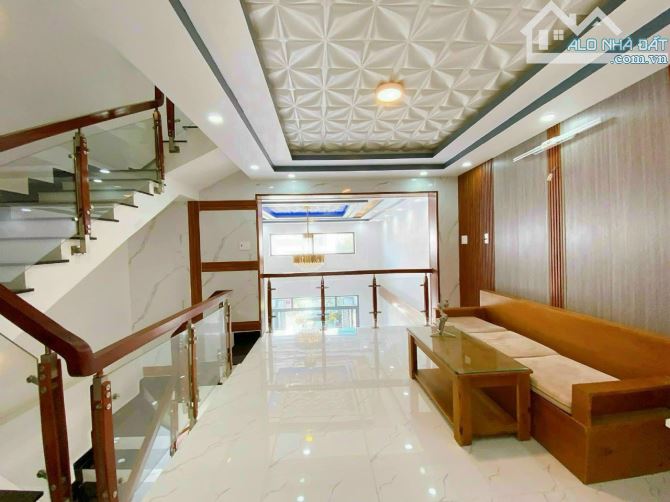
If Saigon has a default first landing spot for Western families, this is it. Thảo Điền is a leafy pocket of low-rise villas and riverside towers with pools and gyms, wrapped around the highest concentration of international schools (ISHCMC, BIS, SAS), Western clinics, gourmet groceries and cafés in the whole city. An Phú sits right next door with a very similar feel — a touch less café-dense, closer to the schools — and the two are usually spoken of as one zone. Almost everyone here speaks English, the streets are quiet and green, it's genuinely pet-friendly, and Metro Line 1 has now put downtown within a short ride.
Who it suits: expat families with school-age kids, comfort-seekers, remote and IT professionals, and pet owners who want a walkable, community-rich base from day one. Now the honest knock, and it's a big one: this is the expat bubble, and it knows it. Russian-language sources describe it bluntly as "not Vietnam" — more like Singapore or "little Australia" — real local life here is thin. It's the most expensive district, with openly foreigner-targeted pricing (a cappuccino here costs what a whole lunch costs elsewhere). It also floods in the rainy season, specifically along Nguyễn Văn Hưởng and Quốc Hương streets, so avoid ground-floor units there, and the bridges out toward District 1 clog badly at rush hour. Come here to soft-land; just go in with eyes open about the premium and the bubble.
District 1 (Bến Nghé): downtown, walkable, wired and loud
District 1 is the central business district and the tourist heart rolled into one — the Opera House, Notre-Dame, Bến Thành Market and the Bùi Viện bar strip are all here, along with the city's best dining, the most reliable English, and the Metro Line 1 terminus. Everything is walkable, which is the whole point: this is the one district where you can live without a motorbike and never feel stuck. Stock ranges from cheap old walk-ups to sleek modern condos, though apartments here are rarely large or good value for the money.
Who it suits: professionals working in the CBD, digital nomads, nightlife people, and short-stay or business travelers who won't ride a scooter. The cons are loud and unanimous across both Western and Russian sources: it's noisy 24/7 — motorbikes, bars and vendors never fully stop — there are tourist traps, pushy street sellers and meter-less taxis, and you pay a premium for space you don't really get. Families who start here "eventually migrate to Thảo Điền." And a specific safety flag everyone repeats: around Bùi Viện at night, watch for pickpockets and motorbike bag-snatchers. Great for a year of central, connected, high-energy living; less so if you want quiet or value.
District 3: colonial charm and the value sweet spot near the center
District 3 is what a lot of people wish District 1 still was — tree-shaded streets, French-colonial villas, real neighborhood life, Tân Định market, and cafés that locals actually sit in. It's a five-minute scooter hop to District 1 but noticeably cheaper, roughly a fifth to a third less for comparable space, which is exactly why Russian-speaking long-termers keep naming it as the value sweet spot near the center. You get authentic daily Saigon that the downtown core has largely traded away, without moving far from it.
Who it suits: experienced travelers, longer-stay "winterers," creatives and café-culture people, and anyone budget-minded who still wants to be central. The trade-offs are real but modest: there's less English and thinner expat infrastructure than in District 1 or Thảo Điền, the buildings skew older (some walk-ups with no lift), and you'll find fewer luxury condos and no international schools on the doorstep. If you want charm and price over polish and amenities, this is often the smartest central pick in the city.
District 7 & Phú Mỹ Hưng: the planned-city family and Asian-expat hub
If Thảo Điền is the Western hub, Phú Mỹ Hưng in District 7 is the Asian one — a purpose-built planned city (Taiwanese-developed from the 1990s) of wide boulevards, immaculate parks, an artificial lake and the Crescent, big malls (Crescent Mall, Lotte, Emart), and a large, settled Korean, Japanese and Taiwanese community. It's clean, safe, low-traffic, very pet-friendly, and stacked with the practical stuff families weigh most: FV Hospital, one of the top private hospitals in the city, plus SSIS, RMIT and Korean/Japanese schools. The air is noticeably cleaner than downtown.
Who it suits: families, safety-first residents, Korean/Japanese/Taiwanese expats, and anyone who prizes order and green space over buzz. The honest cons cluster around distance and vibe: there's no metro yet, so it's a 20–60 minute haul to the center depending on traffic, and it genuinely feels removed from Saigon — some find it over-planned and a little sterile, and essentially all the nightlife lives back in Districts 1 and 2. Russian sources frame it the same way: the quiet family choice that "feels like a separate city." Perfect if that separateness is exactly what you want; frustrating if you crave street-level chaos.
Bình Thạnh (Vinhomes Central Park / Landmark 81): best value for location
Bình Thạnh is the pragmatist's answer, and it's the district Russian-speaking sources most associate with their own community. It sits right between District 1 and Thảo Điền — a short ride to downtown, now on Metro Line 1 (Tân Cảng / Văn Thánh) — and it's anchored by Vinhomes Central Park, a large riverside complex with a lakeside park, a school, the Vinmec hospital, Korean/Japanese infrastructure and Landmark 81, the tallest tower in the country, rising over it. The relocation story you hear again and again: "moved from District 1 to Bình Thạnh, kept the same access, cut rent sharply, and got Landmark 81 from the window."
Who it suits: mid-budget expats, young families, couples and remote workers who want the best balance of price and location in the city. The catch is a familiar one: the big gated complexes are comfortable but insular — they can wall you off from street life and give an "enclosed" feel. And step outside the polished complexes and Bình Thạnh is raw — narrow chaotic roads, heavy traffic, and the usual congestion and garbage complaints — with a lot depending on which bridge you rely on to get out. Choose the complex-vs-street balance deliberately and it's arguably the smartest all-round value in Saigon.
District 4: the gentrifying underdog, cheap and central
District 4 is a small wedge of land just across the canal from District 1 — five to ten minutes to downtown — that used to have a rough reputation and now has some of the lowest central rents in the city and a food scene people cross town for (the Vĩnh Khánh seafood strip is legendary). It's gentrifying fast, but it hasn't been sanded down yet, which is either the appeal or the problem depending on your temperament.
Who it suits: budget-conscious people who refuse to give up a central location, foodies, and adventurous newcomers who don't mind a bit of grit. Be clear-eyed about the cons: it's still "raw," with limited Western polish and few luxury options, and there's near-guaranteed construction somewhere nearby as the district reinvents itself. It's not a typical expat pick and won't suit anyone who wants amenities and calm — but for cheap, central, food-rich living with a front-row seat to a neighborhood on the rise, it's increasingly hard to beat.
District 5 (Chợ Lớn / Cholon): Chinatown for deep-budget culture seekers
District 5 is Cholon, Saigon's centuries-old Chinatown — Bình Tây market, Chinese temples, herb shops and some of the cheapest, best street food in the city, all with very few tourists around. It's dense, old and thoroughly local, and it's about as far from an expat bubble as you can get while still being in a central district. Rents are among the lowest anywhere central, and daily costs can be genuinely tiny if you eat and shop the way the neighborhood does.
Who it suits: food lovers, culture and authenticity seekers, and deep-budget long-termers who actively want to live inside Vietnamese-Chinese daily life rather than adjacent to it. The cons are the flip side of the appeal: there's almost no Western or expat infrastructure, the housing is dense and old, and English is rare — you'll lean on translation apps and neighbors' patience. Russian and Western sources alike treat Cholon as an experience and a budget play rather than a mainstream expat home. Come for the immersion and the prices; don't expect convenience.
Phú Nhuận: quiet, local and genuinely affordable near the center
Phú Nhuận is the low-key middle ground between District 3's charm and District 5's frugality — a real Vietnamese residential district, five to ten minutes from District 3 and the center, with local markets, neighborhood cafés and none of the tourist noise. It's among the cheapest near-central options, which is exactly why Russian-speaking "winterers" trying to keep costs down keep gravitating here. This is a place for ordinary daily life rather than a scene.
Who it suits: budget-minded long-termers who are comfortable in a local setting and don't need Western hand-holding, and anyone who wants central access without central prices. The trade-offs are straightforward: Western services and English are minimal, and there are fewer amenity-rich condos with pools and gyms than in the expat zones — you're renting into a Vietnamese neighborhood, not an international one. If you can navigate a bit of Vietnamese daily life, Phú Nhuász offers something rare: quiet, authentic, affordable, and still close to the middle of everything.