The vibe, and who it actually suits
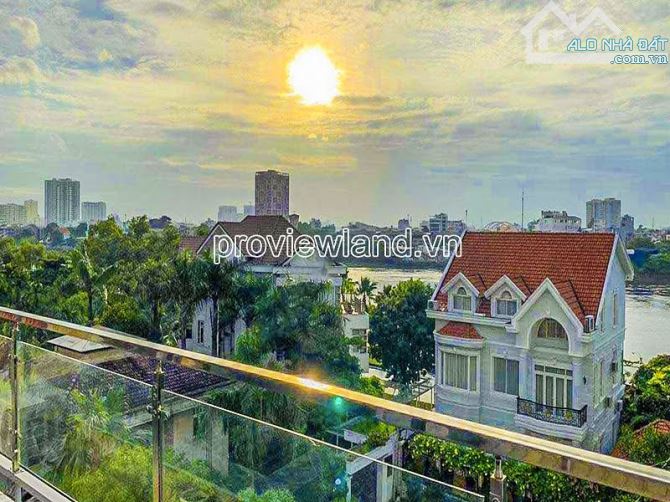
Thảo Điền sits on a peninsula that pokes into a bend of the Saigon River, and that geography shapes everything. It's quieter and greener than downtown, the air is a notch cleaner (you'll notice the difference the first time you cross back over the bridge into District 1's traffic), and daily life runs on English. Locals and expats alike call it the "expat village" — you can spend a week here without needing a word of Vietnamese, for better and worse.
It suits three groups especially well. Families with kids at the international schools, for whom the school run is the whole ballgame. Remote workers and founders who want fast fibre, coffee-shop desks, and a walkable radius of gyms, yoga studios and craft-beer bars. And couples or singles who've done a year in a District 1 shoebox and now want a rooftop pool, a real kitchen and a Sunday farmers' market. If you came to Vietnam to live *in* Vietnam — cheap, chaotic, deeply local — Thảo Điền will feel like an airlock. That's a feature for some and a dealbreaker for others; be honest with yourself about which you are before you sign a year's lease.
Schools and clinics: the real reason families move here
For expat families, Thảo Điền and An Phú exist because the schools do. **ISHCMC** (International School Ho Chi Minh City) sits in An Phú and is the anchor — it's the city's IB heavyweight and effectively sets the "default address" for a lot of families, with shuttle collection points dotted around the neighbourhood. **EIS** (European International School) is a smaller, boutique IB school right in Thảo Điền. **BIS** (British International School) and **AIS** (Australian International School) have campuses in and around the area too, so most curricula are covered within a short ride. Fees are eye-watering by Vietnamese standards, so factor that into any "cost of living" maths — it usually dwarfs rent.
Healthcare-wise, the reason parents relax here is proximity to Western-standard clinics: **Family Medical Practice** and **Vinmec** are the two names people reach for, with English-speaking doctors, international insurance billing, and paediatric care. Knowing there's a 24-hour clinic minutes away is a quiet part of why families pay the Thảo Điền premium.
Cafés, dining and groceries: the good part of the bubble
This is where Thảo Điền earns its reputation. **Xuân Thủy** is the café-and-bar spine — third-wave roasters, specialty coffee, brunch spots and cocktail bars stacked one after another, most with fast Wi-Fi and a power outlet at every seat. There are reportedly over eighty independent coffee shops packed into the ward, which is absurd and wonderful. For food, **Pizza 4P's** (the beloved Vietnamese-Italian chain) has a branch here, **The Deck** does a proper sunset dinner on a river terrace, and you're never far from Italian, French, Mexican, Japanese and Indian done well.
For groceries, you're spoiled: **Annam Gourmet** and the **AnhDương Deli** on Nguyễn Văn Hưởng carry imported cheese, cured meats, wine and Western pantry staples; **Emart** at Estella Place covers big weekly shops; and the weekend **Thảo Điền farmers' market** is where you'll bump into half the neighbourhood over organic produce. Want cheaper and more local? **Co.opmart** is a few minutes' ride away and a fraction of the price. The trap is that the expat-facing places carry Moscow-level prices — a steak or a craft cocktail can genuinely rival what you'd pay back home, so mix in local com tấm and phở joints or your budget evaporates.
The honest downside: the bubble, the noise, the air
Now the part the glossy listings skip. Thảo Điền is an expat bubble in the literal sense — your neighbours are foreign, your café is Western, your kids' friends are from twelve other countries, and you can genuinely lose touch with the country you moved to. Long-timers will tell you, unprompted, to "get out of Thảo Điền" regularly or you'll end up living an expensive parody of home. It also isn't the serene village the brochures imply. Construction is relentless — a new tower or villa is always going up next door, and that means jackhammers from early morning. Karaoke and late bars mean street-facing units can be noisy at night. And while the air is better than downtown, this is still a big Southeast Asian city — check an AQI app, especially in the dry-season haze (roughly December to March).
And then there's the money. Because demand is baked in — schools, community, convenience — landlords price accordingly. Thảo Điền runs meaningfully above comparable areas across the river; you're paying a premium for the ecosystem as much as the apartment.
The flooding you must plan around
This deserves its own section because it will affect your daily life. Parts of Thảo Điền sit *below* the river's high-tide line, so when a heavy rainy-season downpour (roughly May to October) coincides with a high tide, the water has nowhere to drain. **Quốc Hương**, **Nguyễn Văn Hưởng** and **Thảo Điền Street** itself are the notorious offenders — long stretches go ankle- to knee-deep, and in the worst events water has reached waist-height, stalling motorbikes and even lapping at the ground floors of luxury towers. It typically takes one to two hours to recede.
The city is finally pushing to fix it: a long-stalled tidal-barrier project (giant floodgates and river embankments along the Saigon River) was relaunched and is targeted for completion around end of 2026, with the system fully operational by 2027. Believe it when you see it. Until then, the practical rules are simple: ask any prospective landlord, in writing, about *that specific lane's* flood history — it varies street by street, even alley by alley. Favour a higher floor, avoid ground-floor storage for anything precious, and check whether the building's underground parking has ever flooded (a soaked motorbike or car is a nasty, recurring expense).
Metro Line 1, and getting around
December 2024 quietly changed the neighbourhood: Metro Line 1 (Bến Thành–Suối Tiên) opened with two stations right here — **Thảo Điền** (L1-06) and **An Phú** (L1-07). A trip into the District 1 centre is now roughly a quarter of an hour for pocket change, versus the old 30-plus-minute scooter grind across the bridge in traffic. For anyone commuting downtown, this is a genuine quality-of-life upgrade and a real argument for An Phú, where you can live within walking distance of a station.
A reality check, though: the metro is one line, so most daily trips are still by motorbike, Grab (the local ride app) or Xanh SM's electric taxis. Crossing to District 1 by road at rush hour over the Saigon or Thủ Thiêm bridges can still be a 30-to-45-minute crawl. And the airport is genuinely far — reckon on 30 to 50 minutes and a real slog in traffic, which matters if you fly often. If you'll rely on the metro, look at An Phú and the streets near the stations; if you're a scooter-first person, the interior lanes are fine.
Rent bands, pets, and how to pick a street
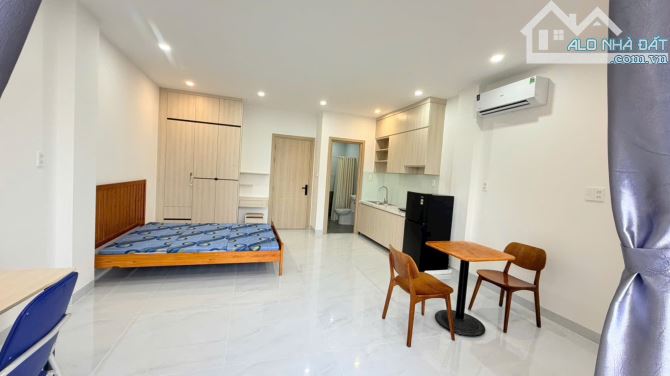
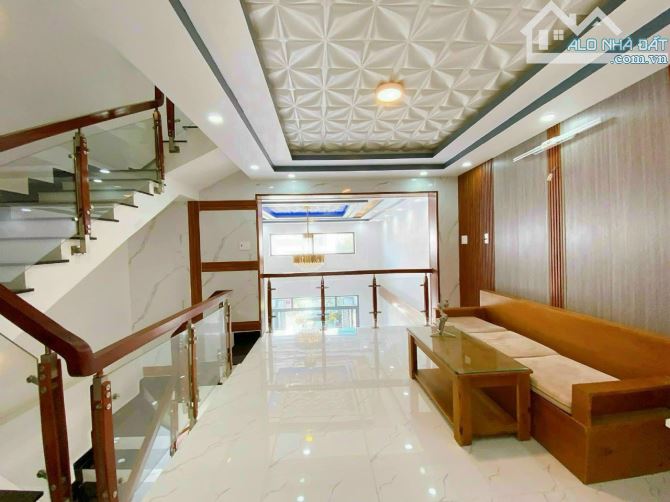
Housing splits into three tiers. **Villas** — three-plus bedrooms with a garden and often a pool — are the top of the market and the reason families and pet owners come; the biggest pool villas sit at the premium end. **Apartments** in the big riverside towers (Masteri Thảo Điền, Gateway, Q2 Thảo Điền, Estella, The Nassim, Thảo Điền Pearl) are the mainstream choice: pool, gym, concierge, security, and a range from solid mid-market to genuinely high-end riverfront units. **Serviced apartments** carry a premium over a direct lease but bundle cleaning and bills and don't require a long commitment — the right call for stays under three months. This site injects current median figures, so treat those as your live price anchor rather than any number you read in a blog.
On pets: Thảo Điền is the most dog-friendly corner of Saigon, with grooming, boarding and imported pet food all local. Many towers allow pets with rules — **Masteri** and **Thảo Điền Pearl** require registering your pet at reception, **Gateway** bans pets from the main lifts (use the service elevator), and boutique buildings like **The Nassim** are known to be accommodating. Small dogs (under ~10kg) and indoor cats are easy; large breeds are often refused in high-rises, so a villa is the safer bet. Prepare a little "pet CV" — photos, weight, breed, vaccination and neutering records — to reassure landlords.
How to pick a street: for the quietest residential feel, look at the lanes (hẻm) branching off **Nguyễn Văn Hưởng** — close to the restaurant strip but calmer. For walkable café-and-bar life, be near **Xuân Thủy**, accepting more noise. **Quốc Hương** is central and lively but floods. Always visit at night and after rain if you can, ask about the specific building's construction-noise situation, and treat the flood question as non-negotiable.
When to look next door instead
Thảo Điền isn't the only answer. **An Phú**, just inland, is slightly more residential and upscale, closer to ISHCMC and the metro, and a touch calmer — a great pick for school families who don't need to be on the café strip. **Thủ Thiêm**, across the water in the same old District 2, is the shiny new master-planned zone: lots of water and green, fresh air, brand-new towers, and quick access to District 1 — but a thinner, still-forming community. **Bình Thạnh** hugs the river on the city side and offers the best value-for-location trade-off, buzzy and central-adjacent, if you don't mind more density and noise. **District 1** itself suits short-term professionals who prize being in the thick of it. And for a completely different flavour, **Phú Mỹ Hưng** in District 7 is the other big expat hub — planned, calm, family-safe, and the centre of gravity for Korean, Japanese and Taiwanese families, with weaker nightlife but superb green space. If "authentic" local life is the goal, spend time in Districts 3 or 4 before you commit. The honest summary: Thảo Điền is the default for good reasons, but the best neighbourhood is the one that matches how you actually want to live — so rent short first, wander widely, and only then sign the long lease.