A planned city that doesn't feel like Saigon
Phú Mỹ Hưng ("PMH" to residents) is the polished core of District 7, master-planned in the 1990s by a Taiwanese developer as a self-contained new town on reclaimed marshland south of the center. The difference hits you immediately. The main artery, Tôn Dật Tiên (Sun Yat-sen), is a broad tree-lined boulevard; the cross-street grid is orderly; buildings are low-rise by Saigon standards, with actual setbacks, actual sidewalks, and actual grass. At its heart sits Bán Nguyệt Lake ("Crescent Lake"), a curved artificial waterfront with the illuminated Ánh Sao (Starlight) pedestrian bridge, jogging paths, and evening buskers.
The honest flip side is in that same word — planned. PMH can feel sterile and a bit boring. Many Saigonese never set foot here, and it functions as its own bubble: you can live, shop, school your kids, see a doctor, and eat without ever leaving a two-kilometer radius. Some people find that deeply reassuring. Others feel like they've moved to a well-run suburb and left Vietnam behind. Both reactions are correct.
Little Korea, Little Tokyo: the Asian-expat community
If Thảo Điền across the river is the Western expat hub, Phú Mỹ Hưng is the Asian one. District 7 hosts one of the largest Korean communities in Southeast Asia — locals call it "Little Korea" or "Little Seoul" without irony. The Sky Garden apartment cluster (around Phạm Thái Bường, Phạm Văn Nghị and Nguyễn Đức Cảnh streets) is the beating heart of it: Korean barbecue, banchan-heavy restaurants like Perilla, jjimjilbang spas (Golden Lotus is the local institution), Korean bakeries, saunas and karaoke. There's a genuine "Little Tokyo" strand too — authentic ramen, sushi bars and izakaya — plus a solid Taiwanese and mainland-Chinese presence, and a growing number of Westerners and Russian-speaking families.
What this means practically: you're never short of excellent, affordable Northeast Asian food, the international grocery scene is strong, and the community skews toward corporate transferees and families rather than backpackers or party crowds. It's welcoming but quiet — this is a neighborhood of school runs and lakeside evening walks, not a scene.
Schools, FV Hospital and why families move here
The single biggest reason expats choose PMH is the family infrastructure, and it's genuinely first-rate. Saigon South International School (SSIS) — an American-curriculum, IB school — is right inside the neighborhood and is the anchor; many families quite literally pick their apartment by walking distance to its gate. RMIT University's Saigon South campus sits at the western edge, giving the area a leafy, university-town texture and a stream of students and staff. Add several Korean and Japanese schools and kindergartens serving the diaspora.
Healthcare is the other magnet. FV Hospital (the Franco-Vietnamese Hospital), on Nguyễn Lương Bằng just off Nguyễn Văn Linh, is the best-regarded private hospital in southern Vietnam — French-founded, JCI-accredited, English- and French-speaking staff, and used by expats from dozens of countries. Having a hospital you actually trust a five-minute Grab ride away is, for parents and older residents, close to decisive.
Parks, malls and everyday life
Daily life in PMH is comfortable and, refreshingly, walkable — a rarity in Saigon. Crescent Mall on the lake is the social hub: 200-odd shops, a cinema, a supermarket, cafés and a decent restaurant floor, with the Bán Nguyệt lakefront and Ánh Sao bridge right outside for an after-dinner stroll. SC VivoCity on Nguyễn Văn Linh is the bigger, more everyday mall (there's a Lotte-anchored retail scene nearby too, feeding the Korean community). For green space, Hồ Bán Nguyệt Park and the riverfront paths toward RMIT give you a couple of kilometers of proper jogging and cycling routes — again, unheard-of elsewhere in the city.
A small quirk worth knowing: PMH goes to bed early. Shops and many restaurants wind down well before the central districts do, and the streets are quiet by 10–11pm. If you want late-night energy, that's a downside; if you want to sleep, it's the whole point.
Air, floods and the landfill smell nobody advertises
This is the part the brochures skip, so hear it from a friend. First, the good: because it's on the southern edge with sea breezes and lots of greenery, PMH generally has better air and far less traffic noise than the central districts — residents describe it as quieter than most European residential areas. Like all of Saigon, though, it still suffers a poor-AQI season roughly December–March, so an air purifier is standard kit.
Now the two real caveats. One: the smell. Downwind sits the massive Đa Phước landfill in neighboring Nhà Bè, and during the summer monsoon the wind can carry a genuinely unpleasant odor across parts of PMH — bad enough that residents shut windows and run the AC, and it has periodically dented rents. It's seasonal and location-specific within the district, which is exactly why you should visit your target block in summer before signing. Two: flooding. This is reclaimed low-lying land; heavy monsoon downpours and king tides can put water on some streets. Ask specifically about your building's street history — flood exposure varies block by block.
The no-metro problem and "feels like a separate city"
Here's the structural downside you can't design away: District 7 has no metro. Saigon's shiny new Metro Line 1, opened in late 2024, serves Thảo Điền and the eastern districts — great for them, nothing for you here. From PMH you're reliant on Grab, taxi or your own motorbike for everything, and the Saigon-facing bridges (over the Kênh Tẻ and toward District 1) are the choke points. Off-peak, downtown is a 15–30 minute ride; in rush hour or rain, budget an hour or more, and Tân Sơn Nhất airport is a genuine slog across the city.
This feeds the recurring expat verdict that PMH "feels like a separate city." If your work, social life and nightlife are in District 1, you'll spend real hours bridging the gap and may quietly resent it. If your life is your family, your school, your office in the south and your lake, the isolation reads as peace. Be honest with yourself about which person you are before you commit — this one decision predicts whether you'll love PMH or feel trapped by it.
Rent bands: what your money buys
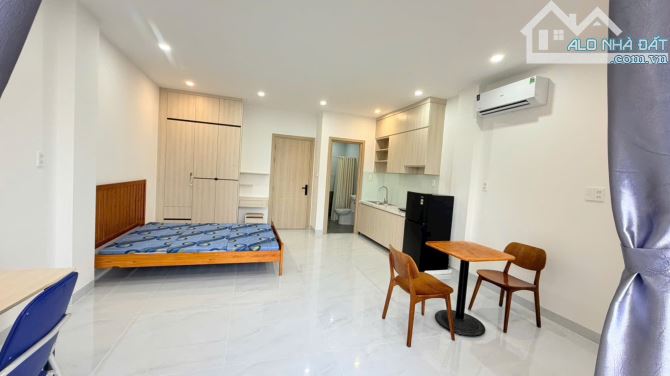
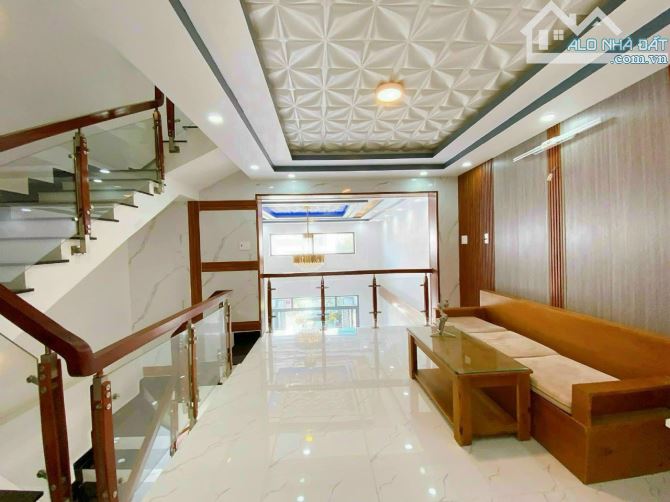
Phú Mỹ Hưng spans a wide range, and where you land depends heavily on whether you're inside the polished core or on its cheaper fringe. Modern studios and one-bedrooms in the well-run PMH complexes sit at the mid-market for expat Saigon — noticeably more affordable than equivalent Thảo Điền or District 1 stock, which is a big part of the appeal. Larger family apartments and the townhouses and villas the area is famous for climb into premium territory, especially the lake-adjacent and school-adjacent addresses.
Two money-saving levers locals use: step just outside the core PMH boundary (around Nguyễn Thị Thập and the older Tân Phú pockets) and rents drop meaningfully for a short scooter ride back in; and avoid the exact blocks most exposed to the summer landfill wind, which trade at a small discount for a reason. Rents are quoted in USD, negotiate on longer leases, and always confirm whether management fees, parking and the (essential) reliable water and power are included.
Phú Mỹ Hưng vs Thảo Điền: who each one suits
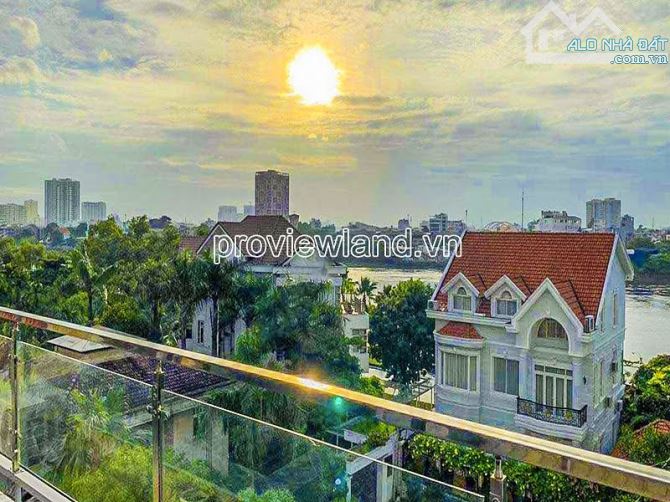
These are Saigon's two great expat neighborhoods, and choosing between them is really a choice about who you are. Thảo Điền (District 2 / Thủ Đức) is the Western bubble: riverside villas, walkable café-and-brunch streets, Annam Gourmet cheeses and wine, a louder social scene — and, crucially, two metro stations putting downtown ~17 minutes away. It's also pricier, floods more notoriously in the wet season, and skews toward Americans, French, Australians and party-adjacent singles and couples.
Phú Mỹ Hưng is the calmer, more Asian, more family-first alternative: cleaner-lined, cheaper for the equivalent apartment, greener, quieter, with the SSIS-and-FV combination that's hard to beat if you have kids — but more isolated, metro-less, and with that landfill asterisk. The rough rule of thumb: choose Thảo Điền if you're Western, social, work downtown and want the expat bubble with metro access; choose Phú Mỹ Hưng if you have a family, value order and quiet, lean toward the Korean/Japanese community, and are happy for your whole life to fit inside one beautifully-run planned town.