The lake, and why everyone lands here
West Lake — Hồ Tây — is the largest lake in Hanoi, a 17-km loop of shoreline that gives the whole district something the rest of the city doesn't have: room to breathe. In the mornings you'll see the same cast every day — retirees doing tai chi, expats jogging or cycling the shore path, coffee vendors setting up plastic stools facing the water. At sunset the western edge near Trần Quốc Pagoda (the oldest Buddhist temple in the city, 6th-century, sitting on its own little causeway) turns properly cinematic, and the cafés along Quảng An and Xuân Diệu fill with a mix of English teachers, remote workers, artists and young Hanoians.
The honest reason people cluster here isn't just the view — it's the ecosystem. Everything an incoming foreigner needs already exists inside a few square kilometres: international schools, Western supermarkets, dentists who speak English, gyms, brunch, natural-wine bars, and a landlord culture used to renting to foreigners on rolling monthly leases. You can land, find a flat off Facebook in a week, and be functional almost immediately. That convenience is real. The flip side — which long-timers will tell you bluntly — is that it's easy to spend two years in Tây Hồ having barely used your Vietnamese, living in a comfortable, slightly westernised bubble. Whether that's a bug or a feature depends entirely on why you came.
Street by street: where the different pockets are
Tây Hồ isn't one vibe, it's five or six. **Xuân Diệu** is the spine of expat life — the densest run of cafés, brunch spots, wine bars, boutiques and Western restaurants. Central, walkable, social, and priced accordingly; if you want to fall into a community fast, this is it. **Quảng An** is the peninsula that pokes into the lake, with the most coveted direct-water views and the newer premium apartment blocks — quieter than Xuân Diệu but with a single congested neck of a road, so factor that into your commute. The little streets off it — **Đặng Thai Mai**, **Tứ Hoa**, **Tô Ngọc Vân** — are leafier and more residential; **Tô Ngọc Vân** in particular is where you find the more budget-friendly studios and a calmer, tree-lined, neighbourhood feel with local shops mixed in.
Further out: **Nghi Tàm** and **Âu Cơ** run along the eastern shore toward the **Nhật Tân** flower gardens (a whole zone of nurseries and peach-blossom fields, gorgeous near Tết). **Yên Phụ** hugs the southern edge closest to town. **Trúc Bạch**, technically a smaller separate lake pinched off from West Lake, is quieter and a touch more local-Hanoian in feel — a good middle ground if you want lake life without the full expat density. And then there's **Ciputra**, a large gated compound in the northwest of the district: manicured, western-suburban, home to UNIS and a big share of the school-run family crowd. It suits families who want space, security and a compound life; it will feel sterile and cut-off to a 28-year-old remote worker who came for the café scene.
Rent: what your money actually buys
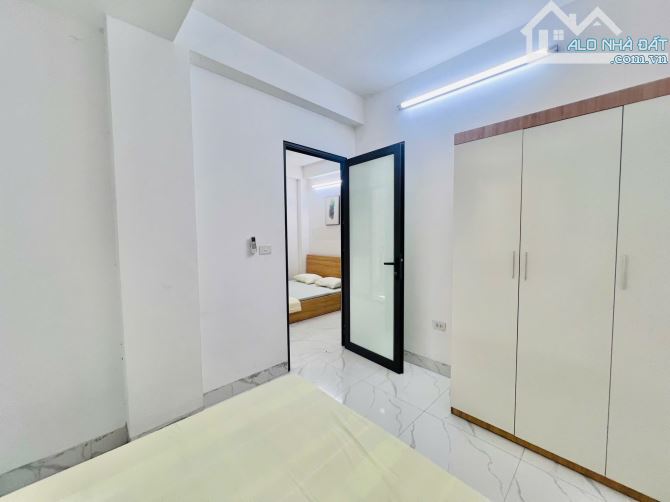
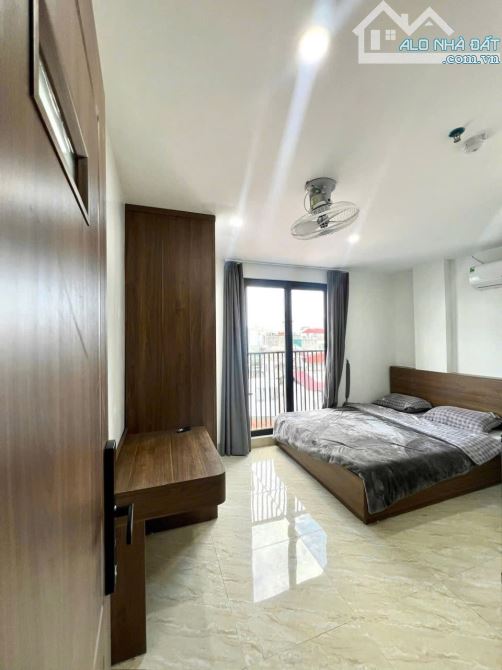
West Lake is the most expensive place to live in Hanoi — that's the price of the ecosystem. But the range is wide, and where you land on it is mostly about how much lake you're paying to see. At the budget end sit studios and one-bedrooms in the quieter interior streets like Tô Ngọc Vân — perfectly comfortable, often with a small balcony, no lake view. Mid-range gets you a two- or three-bedroom apartment with a partial lake view around Quảng An or Xuân Diệu, which is where a lot of couples and small families settle. At the premium end are serviced apartments and penthouses with direct West Lake views, a pool, a gym and someone at the desk downstairs — a genuinely nice life, at a genuinely higher-end price. Standalone villas and houses run from mid-range family homes up to serious top-end money for a private pool and garden near the water.
Two practical notes the listings won't tell you. First, "lake view" is doing a lot of work in ads — always confirm which floor, which direction, and whether a new tower is about to go up in front of it. Second, older detached villas can be charming and cheap for the space, but they suffer badly in the damp season (more on that below); newer serviced buildings with real climate control are the drier, lower-hassle choice if humidity worries you. Whatever the site shows you as a median, treat it as a starting point and negotiate — leases here are flexible and there's always another landlord.
The air quality nobody sugar-coats after a winter here
This is the part that matters most and gets skipped in glossy guides. Hanoi has a serious air pollution problem, and it is seasonal and severe. From roughly November through February, cold-season temperature inversions and still air trap fine particulate matter (PM2.5) over the city, and the AQI regularly climbs into "very unhealthy" territory. During the worst winter waves, Tây Hồ specifically has hit an AQI around 295 — right up against the "hazardous" line — and Hanoi periodically ranks among the ten most polluted cities on earth on a given morning. The city's annual PM2.5 average runs many times the WHO guideline.
Does the lake help? A little — the open water and green space around the shore make Tây Hồ marginally better than the dense inner districts, and it's part of why people choose it. But "marginally better than terrible" is still not clean air, and anyone selling you West Lake as a fresh-air escape is overselling it. The realistic move if you're settling long-term, especially with kids or asthma: budget for good air purifiers in the bedrooms (run them all winter), install an AQI app on your phone and actually check it before outdoor exercise, keep N95-grade masks for bad days, and treat December–January outdoor plans as weather-dependent. Plenty of people live here happily for years — they just don't pretend the air is fine.
Seasons: real winter, brutal summer, and the damp that drives people out
Northern Vietnam has four actual seasons, which surprises people expecting tropical heat year-round. **Winter** (December–February) is genuinely cold — think a raw, grey 10–15°C — and, crucially, almost nothing here has central heating. Concrete buildings hold the chill, and you'll live in a hoodie with a space heater and maybe an electric blanket. **Summer** (May–August) is the opposite extreme: high-30s heat with heavy humidity and monsoon downpours that flood low streets fast; you'll rely completely on air-con and dread the walk to the bike.
The season no guide warns you about is **nồm ẩm** — the damp spring, roughly February to April, when warm moist air meets cold surfaces and humidity sits at 90%-plus for weeks. Walls sweat. Tile floors turn slick and wet as if someone mopped and never dried them. Clothes won't dry, leather grows a fuzz of mould, and it gets into wardrobes, shoes and bathroom corners. It's a real, documented reason some residents eventually leave Hanoi altogether. You fight it with a dehumidifier running constantly, silica packs in the closets, and — again — favouring a newer, better-sealed apartment over a romantic-but-porous old villa. Autumn (September–November) is the reward: crisp, dry, blue-sky weeks that are the genuine best time to be in Tây Hồ.
Food, community and the daily texture of life
The everyday pleasure of Tây Hồ is that you can eat brilliantly at both ends of the spectrum. On one side, world-class street food is minutes away — and the lake has its own signature dish, **bánh tôm Hồ Tây**, whole shrimp fried in crisp battered sweet-potato, eaten by the water. On the other, this is the one district in Hanoi with a deep bench of proper Western food: real brunch, natural-wine bars, sourdough bakeries, decent pizza, Korean, Indian, Mexican — the things you stop missing precisely because they're here. Coffee culture is the connective tissue; the lakeside cafés with power outlets and fast fibre double as everyone's living room and office.
Community forms fast, mostly through Facebook — **Hanoi Massive** is the legendary catch-all group for flats, furniture, jobs, events and lost cats — plus meetups, language exchanges, run clubs and the natural churn of a place where people are always arriving and leaving. That transience cuts both ways: it's easy to make friends and just as easy to watch them all leave every June when teaching contracts end. Culturally, the district keeps one foot in old Hanoi — **Phủ Tây Hồ** temple draws big local crowds on the 1st and 15th of each lunar month (avoid driving near it then), and Quán Thánh Temple and Trần Quốc anchor the shoreline in centuries of history that the wine bars are only renting space beside.
Getting around, and the scams to sidestep
Tây Hồ sits about 5 km north of the Old Quarter, and that distance is the district's main practical cost. On a good day it's a 15-minute scooter hop; during rush hour (roughly 7–9 AM and 5–7 PM) the arteries out — especially the neck of the Quảng An peninsula and the bridges toward the centre — clog to a crawl. Most residents ride their own scooter or lean on **Grab** (both GrabBike and GrabCar) rather than gamble on street taxis. If your office or your kids' school is on the far side of the city, test-drive that commute at rush hour before you sign anything; a beautiful lake flat can quietly cost you two hours a day.
On scams, the one to burn into memory is the **deposit-hold trick**: a "landlord" pressures you to wire a holding deposit for a place you haven't seen, invents urgency about other interested tenants, then vanishes. Surveys of expats here put attempted rental fraud shockingly high. The rules that keep you safe are simple: never pay a deposit before physically viewing the actual unit, be wary of prices that are too good, get a written bilingual contract, and ideally use a reputable agent or a personal referral for your first place. Beyond housing, the usual small stuff applies — agree Grab prices via the app, carry small cash, and don't flash valuables — but Tây Hồ is generally calm, residential and safe to walk at night.
So who is Tây Hồ actually for?
Tây Hồ is close to a default-right answer for most foreigners moving to Hanoi, and it's the clearest fit for a few groups. **Families** are the strongest match: the international schools (UNIS in Ciputra, BIS, SIS and others), the Western groceries and paediatricians, the parks and pools and the compound option make the school-age years genuinely manageable. **Remote workers and digital nomads** get fast fibre, endless café-offices, coworking spaces and an instant social scene — this is the easiest soft landing in the city. **Couples and settled long-termers** who want lake mornings, good food and a real community without the Old Quarter's sensory assault will feel at home quickly.
Who should think twice? If your whole reason for coming to Vietnam is deep immersion — daily Vietnamese, local prices, life outside the foreigner bubble — Tây Hồ will insulate you from exactly that, and a more local district might serve you better. If you're on a tight budget, the cheaper interior streets work, but you'll always pay a premium for the postcode. And if clean air or a dry home is non-negotiable for your health, go in clear-eyed: no Hanoi neighbourhood escapes the winter smog or the spring damp, and Tây Hồ only softens them at the edges. For everyone else — which is most people — it earns its reputation. Come in autumn if you can, rent for a month before you commit for a year, and let the lake do its slow work on you.