Karaoke is a neighbour, not a country
The most-quoted noise story on the Russian-language expat forums is also the most misread. On 12 January 2013, a traveller posting as Ростовская Звездочка wrote up a stay in Hội An and listed exactly one complaint: the building next door played music over a loudspeaker at six in the morning, and from ten at night until two, people sang karaoke — «очень, очень громко», very, very loudly.
Read what she actually wrote. That was «единственный минус», the only drawback, of a hotel she otherwise liked — and the source of it stood next door, where no amount of inspecting her own room would have found it.
Karaoke is also not automatically the enemy. In November 2009, in a thread of subjective impressions of Vietnam and the Vietnamese, lesssy23 described stumbling on a session: «это было просто караоке...рядовые товарисчи пели....Но как же это было красиво» — just ordinary people singing, and how beautiful it was. Same custom, opposite experience. Distance, hour, amplification and whether you were trying to sleep are what change it.
So inspect for the life you actually lead. If you go to bed at ten, see the place at ten, and switch the air conditioner off while you listen — a compressor at full tilt is very good at hiding a neighbour. Ask what is on the ground floor and immediately next door: café, karaoke bar, wedding venue, school, temple, workshop, building site. A high floor takes the edge off traffic and voices, but bass and drilling inside the same building travel better than people expect.
Damp tells you before mould does
Writing up a July trip to Nha Trang on 1 August 2013, vkbas put the everyday version of humidity better than any climate table: «вещи после стирки полностью высушить невозможно» — you cannot get washing fully dry. He was measuring it against the dampness of St Petersburg and losing the comparison.
That is one person, one week, one coastal city at the height of summer: not a year-round constant, and not every city — the seasonal picture is in when to move, city by city. But it is the right level to be alert at, because damp reaches you through laundry, wardrobes and bedding long before it shows up as a stain on a wall.
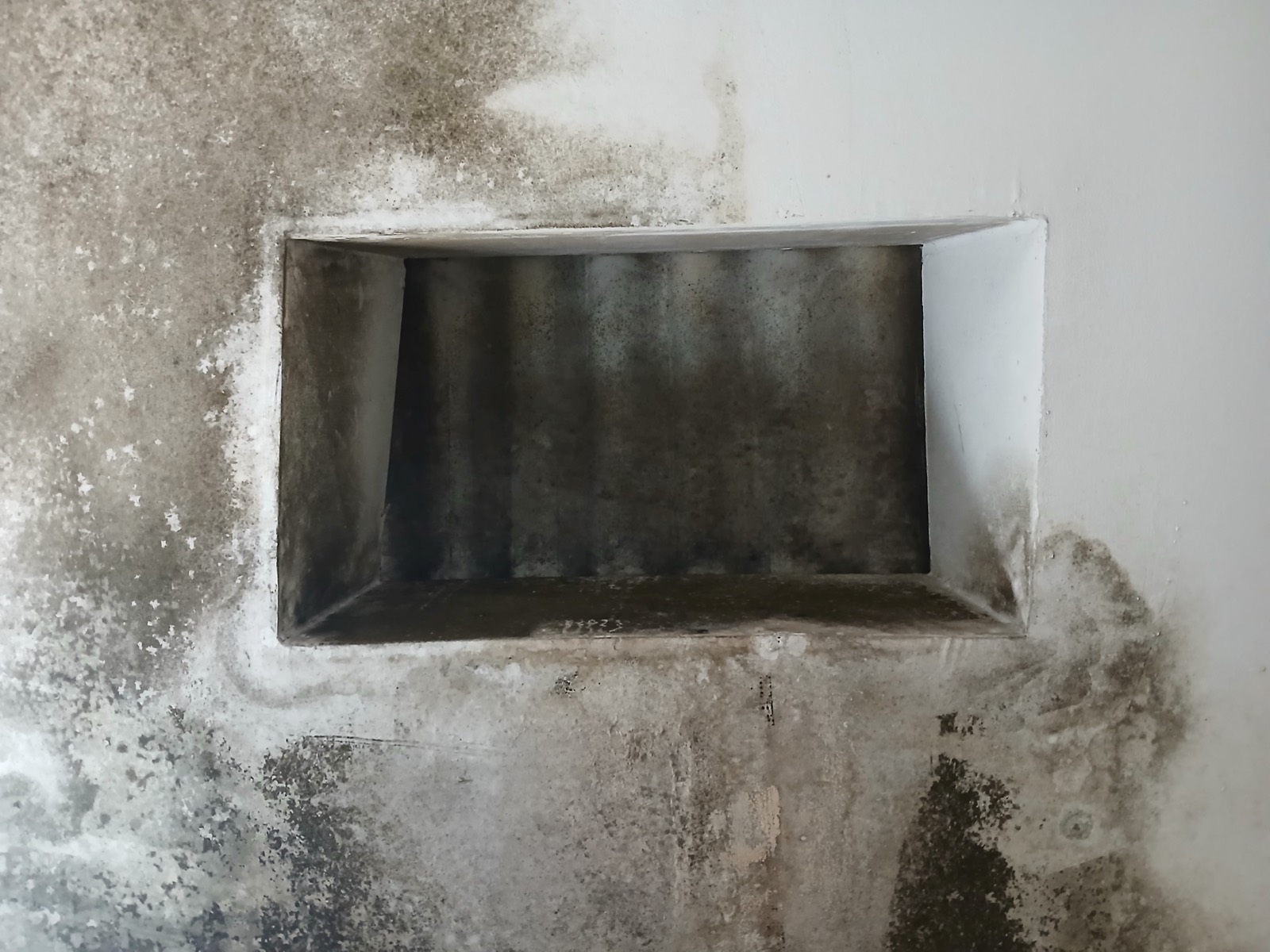
So at the viewing, open things — every wardrobe, the cupboard under the sink, the lowest kitchen units — and put your face in them. Look at the corners furniture stands in front of, the bathroom ceiling, the sealant around the sink, the underside of the mattress. Swollen chipboard, lifting paint and one fresh patch that does not match the wall around it all say the same thing.
Then check the fixes rather than the promises. Does the bathroom have a window or a working extractor — switch it on. Is there somewhere to dry clothes indoors when it rains. Does the air conditioner's dry mode actually run. And if there is visible mould, have it dealt with before money moves: paint is not a repair, and the same request made once the deposit is paid is a favour rather than a condition of handover.
Insects are a question about gaps
There is a thread on forum.awd.ru titled, in translation, Are there insects in the hotels? How is sanitation in Vietnam? — exactly the question a nervous first-timer asks. The answers are reassuringly dull. On 11 April 2008, fedul reported no cockroaches, a few ants in a backpack he had left in a hotel room for a week, and that in the south a gecko may pay you an evening visit. The next day ZKR reported no cockroaches in his rooms either, then added the line that actually matters: «Я несколько гестов забраковал по чистоте, перед тем как поселился в своем» — he rejected several guesthouses on cleanliness before settling on one. He looked, some places failed, he moved on.
What you are looking for is openings. In July 2013, in a thread on life in Nha Trang, EvilEvvie described holes about fifteen centimetres across above every door in her apartment, presumably for airflow: «в эти дыры приходят гекконы» — geckos come in through them. A gecko is not a hygiene verdict; it is a small predator that eats mosquitoes. But the opening it used is the same question as the window screens, the drain traps and the gap the air-conditioner pipe passes through.
So check where things live rather than where they wander: under the sink, behind the fridge, inside the bottom cupboards, around the bins and the drains. One ant is not a problem. A resident population is — droppings, egg cases, traps somebody already put down, a smell of insecticide, many dead insects in one place. Ask who arranges treatment and how often.
Mosquitoes are local in the same way. In June 2006, in a thread on insects in Vietnam, BJony tied evening mosquitoes in Mui Ne and Nha Trang to still air: «Если не будет ветра, то комаров будет в достаточном количестве» — no wind, and there will be plenty. Intact screens and no standing water on the balcony beat any city's reputation.
One caveat covering all of it: these posts run from 2006 to 2013 and mostly describe hotels rather than year-long leases, so read them for the shape of the problem — always a specific room, a specific street, a specific month — not as measurements.
Why no listing can answer this
We parse dozens of structured fields off every listing we index — floor, balcony, sea view, lift, pool, security, parking, washing machine, furnishings, pets — and we go as far as verifying internet speed. There is no field for night noise, none for damp and none for insects, and there is not going to be one, because none of that can be read off an advert.
That is a limit of listing data everywhere, not of one site. Our rent medians will tell you what is actually being asked in a district, which is how you notice a place priced well below its neighbours; a price that good usually has a reason. They will not tell you what the building next door does on a Saturday night.
Sound, smell and airflow need a person in the room. Renting from abroad, that person is either you on a later trip or someone on a live video call — not a clip the landlord recorded and chose. Ask them to open the wardrobes, point the camera at the bathroom ceiling and the corners, run the taps, stand at the open window, then say nothing for sixty seconds. Where you look matters too, street by street — which is the point of area guides like the one for Ho Chi Minh City.
The twenty-minute version
If the lease is long enough that a mistake is expensive, see the place twice. Daylight for stains, screens, ventilation and whatever is being built across the road. Evening for the building's social life.
While you are there: run the taps hot and cold, run the air conditioner including its dry mode, run the bathroom extractor, open every window, check the screens, open every cupboard, look behind the fridge — then stand still in the bedroom for a full minute with everything switched off. Photograph anything already broken or stained along with the meter readings, and send the photos to the landlord the same day. Anything they agree to fix goes in writing, with a date, before the keys change hands; the full sequence is in the move-in checklist.
None of this buys silence or a sealed box, and it is not meant to. What it buys is a list: this street is loud on Fridays, this bathroom has no window, this balcony holds water. A list can be priced, negotiated or walked away from — which beats both a bad surprise in week two and a vague fear of the tropics.
Frequently asked questions
- Is karaoke a problem everywhere in Vietnam?
- No. It is a popular pastime, but whether it reaches your bedroom depends on the immediate neighbours and on what is on your street. The same custom turns up on the forums as both a serious complaint and a lovely evening. Judge it by visiting at the hour you sleep, not by the country's reputation.
- Does a high floor mean a quiet apartment?
- It helps with traffic and street voices, and it is worth asking for. It does much less against low-frequency music, renovation work inside the same building, and lift or pump machinery. Height is a partial fix rather than a guarantee, so still do the evening visit.
- Do geckos mean the apartment is dirty?
- Not by itself. They are common in tropical buildings and they eat mosquitoes. What is worth acting on is the route they used: ventilation openings, gaps under doors, missing window screens, untrapped drains. Close the gaps and you have dealt with more than the geckos.
- How do I spot a damp problem at a viewing?
- Use your nose inside closed spaces: wardrobes, the cupboard under the sink, the lowest kitchen units. Then check the corners hidden by furniture, the bathroom ceiling, the sealant around the sink and the underside of the mattress. Swollen chipboard, lifting paint and one fresh patch of paint that does not match the wall are all worth a question. A heavily perfumed empty apartment proves nothing, but it does make a short viewing less informative — ask to come back after the place has been shut up for a few hours.
- Can I judge any of this from the listing?
- Only the location. Listing data covers price, size, floor, furniture and amenities, and none of that captures sound, smell or airflow. For a long lease, insist on an in-person viewing or a live video call at a representative time of day, with the camera going into the cupboards.
- The landlord says he will paint over the mould after I move in. Is that all right?
- Paint hides mould, it does not remove the moisture feeding it. Ask for the cause to be dealt with and inspect the result before you hand over the deposit, because that is the moment you have real leverage. If the answer is no, you have learned something useful about how repairs will go for the rest of the year.
Updated: 2026-08-05