The one place in Saigon you can live carless
This is District 1's genuine superpower and the reason it commands the rents it does. In a city where 8 million motorbikes make crossing the road a lifelong skill, D1 is the rare pocket where you can walk to work, dinner, a café, a bar, and a museum without ever touching a Grab. Notre-Dame, the Central Post Office, Reunification Palace, the War Remnants Museum, and Bến Thành Market are all a short stroll apart. The riverside promenade near Bạch Đằng, the pedestrianised Nguyễn Huệ walking street, and the shaded lanes off Đồng Khởi make it one of the only genuinely strollable places in Vietnam. Newer expats and digital nomads gravitate here precisely because you can arrive knowing zero Vietnamese, having never sat on a motorbike, and still function on day one. Sidewalks are real (if often colonised by parked bikes and plastic-stool coffee stands), blocks are compact, and everything you need is closer than a taxi ride. If you're the sort of person who moved abroad partly to stop driving, D1 is the answer — nowhere else in the city delivers this.
Metro Line 1: the game-changer that landed at Bến Thành
For decades the knock on D1 was that it was walkable inside its own bubble but a nightmare to leave. That changed in December 2024, when Metro Line 1 (Bến Thành–Suối Tiên) finally opened after years of delays. The Bến Thành terminus sits right under the market in the heart of D1, and the first three stations — Bến Thành, Opera House (Nhà hát Thành phố), and Ba Son — are underground, dropping you at the exact spots you'd actually want to be. The line is clean, air-conditioned, trains run roughly every eight minutes from 5am to 10pm, and a full end-to-end ride costs about the price of a bottle of water. Expats describe it as a pleasant shock after the chaos above ground — TIME even put it on a global top-100 list, and it carried over 20 million riders in its first year. Practically, this means a D1 base now connects in about 17 minutes to Thảo Điền and An Phú, so you can live downtown and still reach the expat-bubble amenities without a sweaty 40-minute Grab through gridlock. It quietly fixed D1's biggest structural weakness.
Where you'll actually eat and drink
Dining is where D1 stops being merely convenient and becomes genuinely great. The range runs from a 25,000-đồng bánh mì cart to Michelin-recognised kitchens, often on the same block. For a real neighbourhood, aim at Japan Town on Lê Thánh Tôn and its side alleys (hẻm) — a dense little Tokyo of standing sushi at Sushi Tiger, ramen, izakayas and karaoke that stays open late; there's a sizeable Korean pocket nearby too. The rooftop-bar scene is world-class and unabashedly showy: the Rex Hotel's old-Saigon terrace with live jazz over Nguyễn Huệ, Broma Not A Bar, Level 23 at the Sheraton, and a dozen others give you skyline drinks most cities can't match. The Café Apartment at 42 Nguyễn Huệ — a nine-storey former residential block now stuffed with tiny independent cafés and boutiques — is a D1 institution worth an afternoon. And you're never more than a few steps from a plastic stool, a bowl of phở, and a glass of bia hơi, which is arguably the real reason to be here.
Bùi Viện and the nightlife you're buying (or fleeing)
Bùi Viện — the backpacker street — is D1's most famous and most divisive feature. From roughly 7pm to 2am it becomes a fully pedestrianised river of people: fire dancers, street performers, competing club speakers, buckets of cheap booze, and a wall of sound that Russian-speaking visitors have described, memorably, as noise that gets into your bones. It's chaotic, a little toxic on a bad night, and one of the most alive streets in Southeast Asia — worth doing once even if you'd never live on it. If you thrive on nightlife, D1 is unmatched. If you don't, the single most important rental decision you'll make here is distance from Bùi Viện: a flat one street over can be a completely different life. Aim instead for the quieter zones around the Japanese Quarter, the streets near September 23 Park, or the calmer lanes toward the river. Note that a well-built condo insulates far better than an old walk-up — inside a decent building on Nguyễn Huệ, the party genuinely disappears behind the glass.
The downsides nobody puts in the brochure
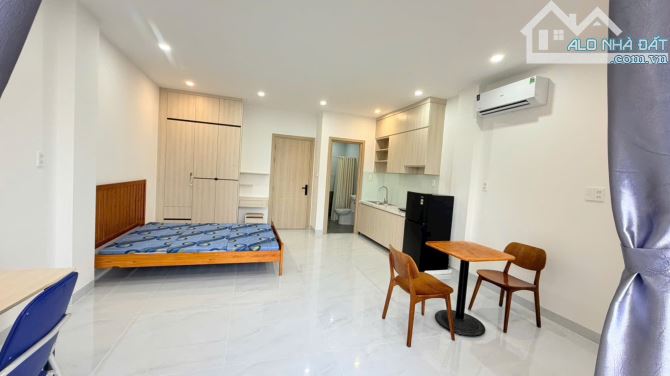
D1's honesty test is the noise. It is relentless and around the clock — the drone of bikes, bar music, and vendor calls seeps even into the narrow hẻm. Light sleepers should rent for a night first and listen. You also pay a real premium for small space: studios here run roughly in the $500–900/month range, and for the same money you'd get noticeably more room in District 3, Bình Thạnh, or Thảo Điền. Then there are the seasonal realities. From about September to December the afternoon downpours can flash-flood streets in minutes (they drain fast, but you'll get soaked); air quality dips in the dry-season months of November to January, when PM2.5 climbs well above WHO guidance; and April is brutally hot, often mid-30s day and night. And D1 being the tourist epicentre, it's where you'll meet the classic scams — souvenir markups and taxis that 'forget' the meter (stick to Grab, Xanh SM, or Vinasun). None of it is a dealbreaker, but going in clear-eyed beats being surprised.
Safety and the Bùi Viện pickpocket flag
Ho Chi Minh City is, by regional standards, very safe for foreigners — violent crime against expats is rare and casual aggression is genuinely uncommon. The real, recurring threat is petty theft, and it concentrates exactly where you'd expect: the crowds of Bùi Viện late at night and the busy tourist streets around Bến Thành. The signature move here is the drive-by phone snatch — a passenger on a passing motorbike grabbing a phone straight out of your hand while you're texting or filming on the sidewalk. Expats lose phones this way on Bùi Viện with depressing regularity. The rules are simple and they work: don't walk-and-scroll near the curb, keep your phone in a zipped pocket on busy streets, use a cross-body bag worn in front, and be extra careful when you've had a few drinks — most losses happen to tired, distracted, slightly tipsy people at 1am. Follow those and D1 is comfortable to walk at any hour.
Who it's for — and who quietly leaves for Thảo Điền
District 1 suits a clear profile: young professionals, remote workers and digital nomads, first-year expats still finding their feet, and anyone whose social life revolves around going out. If you want to walk everywhere, meet people fast, and be at the centre of everything, nowhere else competes. It suits far less well if you have kids or crave quiet. The classic Saigon arc is real: families and settled couples often start in D1 for the convenience, then migrate across the river to Thảo Điền (District 2) within six months to a year — trading the noise and cramped floorplans for low-rise villas, international schools (ISHCMC), Western supermarkets like Annam Gourmet, riverside parks, and quiet streets like Xuân Thủy. A frugal middle path many take is Bình Thạnh, near Landmark 81, which offers similar central access for meaningfully cheaper rent. The trick is honesty about which life you actually want — because Metro Line 1 now means you no longer have to choose D1 to be near D1.