The feel of the place: Saigon's 'Little Paris'
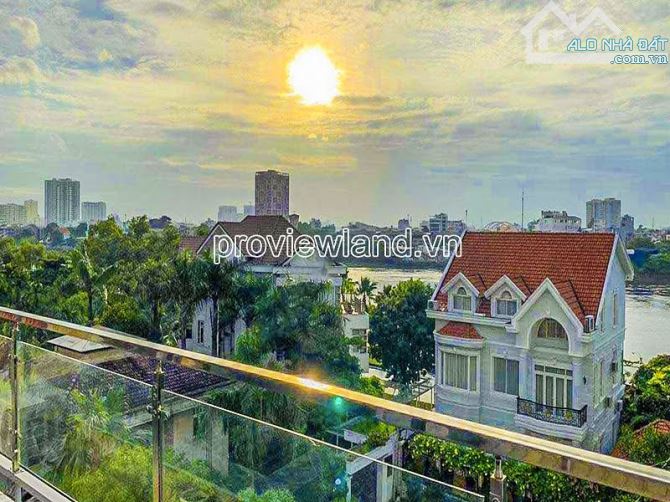
District 3 was laid out in the colonial era to be residential and calm — the historian Hà Minh Hồng notes its streets were 'planned to be peaceful,' reasonably sized rather than the wide boulevards of District 1. The result, a century on, is a grid of tree-shaded lanes lined with French-colonial villas, Art Deco apartment blocks, and pastel townhouses, which is why locals and travel press alike call it Saigon's 'Little Paris.' Time Out ranked it the 18th coolest neighbourhood in the world for exactly this: colonial churches and villas sitting beside Buddhist pagodas and buzzing live-music bars. Walk the tamarind-canopied stretches of Trần Quốc Thảo or the villa-lined side streets off Võ Văn Tần in the early morning and you understand the appeal immediately — golden light through leaves, old men playing cờ tướng on the pavement, the smell of a hundred breakfast noodle pots. It is genuinely beautiful in a lived-in, unrestored way that the glass towers of the center can't touch.
Landmarks that anchor daily life
Two spots orient the whole district. The first is Hồ Con Rùa (Turtle Lake), a 1960s fountain-and-plaza at the meeting of Trần Cao Vân, Phạm Ngọc Thạch, and Võ Văn Tần — technically on the D1/D3 seam, and the district's living room. From roughly 7 to 10 p.m. it fills with students, young couples, families with kids, and a rotating cast of street-snack vendors; one local called it 'an irreplaceable site of our youth,' and after a few weeks you'll get why. The second is Tân Định Church, a hot-pink Romanesque confection from 1876 — the city's second-largest church after Notre Dame — that has become a global Instagram magnet but is, first and foremost, a working parish. Beside it sits chợ Tân Định (Tân Định market), a real neighborhood market heavy on fabric, fresh produce, and meat, where the aunties will absolutely notice you're new and, eventually, warm up to you.
The food and cafe culture is the real reason to live here
This is where devoted Saigon eaters gravitate, and it skews toward decades-old Vietnamese institutions rather than fusion. Bánh Mì Huỳnh Hoa on Lê Thị Riêng draws a permanent queue and is regularly called one of the best bánh mì on earth. Old-school phở, chè dessert stalls, and coconut-coffee joints fill the alleys. On the coffee side, District 3 is caffeine heartland: Cheo Leo has been brewing coffee in traditional clay pots for around 80 years — reportedly the last place in the city still doing it — while the independent cafe density (with reliable Wi-Fi) makes it a quietly excellent remote-work base. For music, Yoko Cafe runs near-nightly open-mic and live jazz-and-rock sessions where expat teachers and local musicians mix; it's one of the easiest ways to meet people here. Nightlife is craft-beer bars and wine spots rather than clubs — think Heart of Darkness taproom energy over pounding EDM.
Getting to D1 (and everywhere else)
The core pitch of District 3 is proximity without the price. From the Turtle Lake end you can walk into District 1 in 10 to 15 minutes, or take a Grab motorbike for a couple of dollars in 3 to 5. Ben Thanh Market, the Opera House, and the new Metro Line 1 (opened December 2024, running from Bến Thành out toward Thủ Đức) are all right on your doorstep in the neighboring district. Living in D3 also spares you the worst of the rush-hour crush that punishes people commuting in from D2 or D7 — you're already central. The trade-off is that the big arteries slicing through the district — Cách Mạng Tháng Tám (CMT8), Nam Kỳ Khởi Nghĩa, Điện Biên Phủ — are loud, fast, exhaust-heavy motorbike rivers. The trick every resident learns fast: live in the hẻm (alley), not on the main road. Two turns off a boulevard and the noise drops away.
The housing stock: charming, older, walk-up
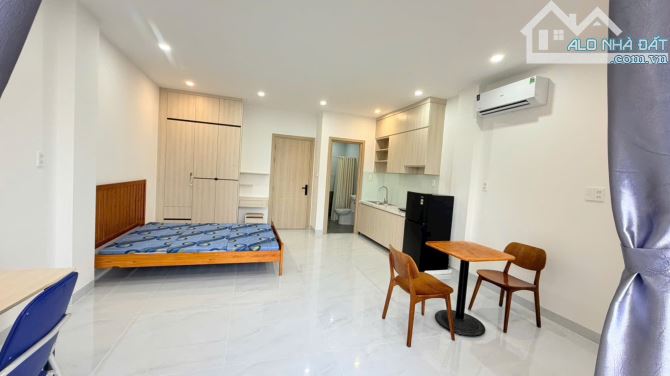
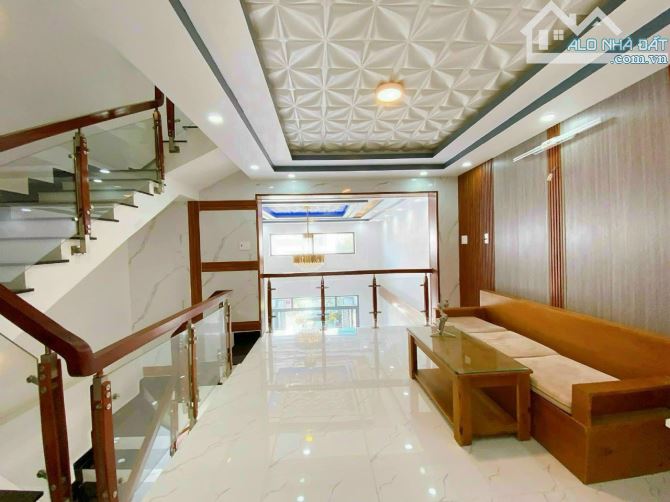
Set expectations honestly. District 3's signature home is the nhà phố — the narrow-fronted Vietnamese townhouse, three or four floors, stairs instead of a lift. The building stock is older than the shiny serviced-apartment blocks of Thảo Điền or Bình Thạnh, so lifts are rare, plumbing and wiring can be quirky, and 'renovated' means different things to different landlords. In return you get more space, more character, and rents that run meaningfully below District 1 for genuinely central living. You'll also find modern studios and one-bedrooms tucked into newer mini-buildings if you dig. Two practical notes: check which floor you're taking seriously if stairs are a dealbreaker, and always view in person — the leafy-street photos don't tell you whether your specific window opens onto a quiet alley or a 24-hour phở kitchen's extractor fan.
Honest trade-offs: English, floods, air, and infrastructure
District 3 asks a bit more of you than the expat-cocoon districts. English is thinner on the ground — market vendors, xe ôm drivers, and older landlords often speak little, so Google Translate and a few words of Vietnamese go a long way, and this is a genuine plus for immersion but a real friction if you want everything handled in English. Expat infrastructure (international clinics, Western supermarkets, big co-working chains) is present but sparser than in D1 or Thảo Điền. On weather: Saigon's wet season (roughly May to November, worst September to December) brings sharp afternoon downpours, and low-lying stretches of the district can flood ankle-to-shin deep for an hour before draining — annoying, rarely dangerous, and very predictable once you learn which corners to avoid. Dry season (November to January) is the opposite problem: no rain to wash the air, so AQI creeps up and hazier days become common. None of this is a dealbreaker; it's just the honest texture of central Saigon life.
Safety, scams, and settling in
District 3 is noticeably calmer than the tourist-dense parts of District 1, with fewer of the classic scams (inflated Grab fares, dodgy bars, coconut-photo hustlers) simply because there are fewer tourists to target. Standard Saigon street-smarts still apply: keep your phone off the outer hand near the road so a passing motorbike can't snatch it, use the Grab app rather than negotiating with street xe ôm, and don't leave bags visible on a parked bike. Beyond that, this is a district where you settle in through repetition — the same bánh mì lady, the same coffee spot, the same alley neighbors — rather than through a ready-made expat scene. Give it a couple of months and District 3 rewards you the way few central neighborhoods do: it starts to feel like an actual home rather than a place you're passing through.
Who District 3 is (and isn't) for
This district suits the experienced traveler who's done the D1 hotel circuit and wants the real city; the creative or remote worker who values a beautiful cafe-dense walk to work over a gym-and-pool tower; and the budget-conscious person who refuses to give up a central address. If you want tree-lined streets, world-class street food at your door, and a five-minute hop to everything for less money than D1 — this is your district. It's a weaker fit if you need an English-first bubble, step-free lift buildings, a big organized expat community, or brand-new construction with a pool; for that, Thảo Điền (D2) or the towers of Bình Thạnh and D7 will serve you better. District 3 is central Saigon for people who actually want to live in Saigon — a little grittier, a lot more soulful, and one of the best-value addresses in the city.